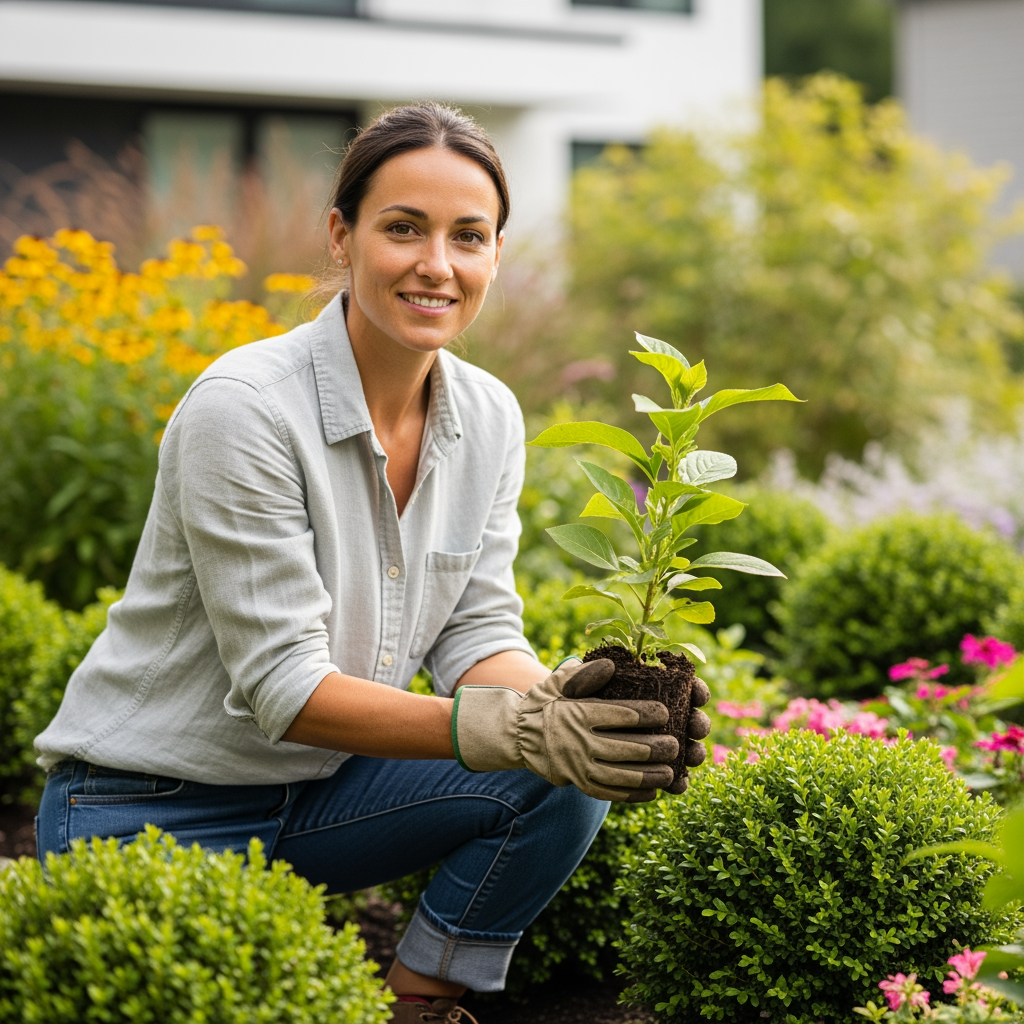
When I first explored how thoughtful planting can transform a property, I kept coming back to the simple promise of an NJ garden planting service that plans for every season. For trusted regional guidance on soil, plant selection, and climate resilience, I often turn to university extension resources like Rutgers for research-driven recommendations that apply across the state.
Why annual planting matters in New Jersey
New Jersey gardens face a wide range of conditions—from coastal wind and salt spray along the Jersey Shore to heat and humidity in urban pockets and colder pockets inland. A year-round planting plan does more than add beauty: it reduces maintenance costs, supports pollinators, and protects hardscapes from erosion. When I design planting plans for properties in towns from Montclair to Princeton, I look for combinations that provide continuous interest and practical performance under local weather patterns.
Top trends shaping planting design in this area
Design trends for landscapes in the region are evolving fast. Two trends I see everywhere are the rise of native pollinator-friendly plantings and the integration of climate-smart turf alternatives. Homeowners want gardens that invite bees and birds, require less watering, and still deliver season-long color. Green walls, container layering on small patios, and edible ornamentals (think herbs and fruiting shrubs) are also gaining traction because they combine function with curb appeal.
Trend 1: Native and pollinator-forward design
Choosing native perennials and shrubs native to the mid-Atlantic means plants are adapted to local soils and seasonal shifts. They attract native bees, butterflies, and birds while typically needing less fertilizer and water. I prioritize plants that bloom at staggered times so the garden always has something in flower.
Trend 2: Low-water and resilient planting
Water-wise choices and smarter irrigation—including drip systems and smart controllers—reduce waste and keep plantings healthy through hot summers. Many clients opt to replace small turf patches with meadow mixes or groundcovers that require less upkeep while creating texture and habitat.
Seasonal planting calendar for New Jersey yards
A smart annual plan begins with a calendar that anticipates cold snaps, peak bloom times, and maintenance windows. Here’s how I typically sequence the year for lasting impact.
Late winter to early spring
This is the time to refresh beds, mulch, and place early-blooming bulbs and shrubs where their color will be seen first. Early pruning of dormant perennials and corrective pruning of woody plants sets up a clean canvas for spring growth.
Late spring to early summer
Install heat-tolerant annuals and set up drip irrigation. This window is ideal for planting tender perennials and designing mixed borders that will carry the garden through summer.
Late summer to fall
Plant fall-blooming perennials and spring-blooming bulbs in late summer for best establishment. This is also the best time for replenishing container plantings and adding seasonal focal points like ornamental grasses and late-season asters.
How I plan a successful NJ garden planting service—step by step
Effective planting is a combination of good site assessment, plant knowledge, and timing. Below are practical steps I use with most projects around the state.
- Site and soil assessment: I map sun exposure, drainage patterns, and soil type to select plants that will thrive with minimal intervention.
- Design with layered planting: Taller shrubs in the back, mid-height perennials, and groundcovers or mulch at the front create depth and reduce weed pressure.
- Seasonal staging: I plan for focal color in spring, texture in summer, and structural interest (seed heads, ornamental grasses) in fall and winter.
- Maintenance planning: A simple maintenance schedule reduces long-term costs and keeps the design intentional through the seasons.
Design ideas that work well across neighborhoods
Whether you’re in Hoboken with a compact courtyard or in a suburban neighborhood in Morris County with a larger frontage, these design ideas translate well across contexts in this area.
Container layering for small patios
Stack plants vertically in mixed containers—a thriller, spiller, filler combination—to maximize seasonal impact in small spaces. Select a combination of evergreen structure and seasonal color for year-round interest.
Pollinator pockets
Even small properties can support pollinators. Plant clumps of native perennials like coneflowers, black-eyed Susans and asters together to create visible feeding stations.
Seasonal color beds for curb appeal
Add annual color in high-visibility beds close to the street or entry points. Annuals give immediate impact and can be rotated seasonally to reflect changing color trends and homeowner preferences.
Maintenance tips that keep planting investments healthy
Annual planting services are only as good as the follow-up care they receive. Here are a few practical maintenance practices I recommend and follow to protect the investment and extend the life of the design.
- Smart mulching: Apply a 2–3 inch layer of mulch in spring and refresh in late fall to retain moisture and suppress weeds.
- Targeted watering: Use a drip system or soaker hoses on timers to ensure deep, infrequent watering rather than frequent shallow watering.
- Seasonal pruning: Cut back perennials at the recommended times to encourage strong growth next season and maintain tidy beds.
- Soil checks: Test pH and nutrient levels every few years to make data-driven amendments rather than guessing.
Budgeting and long-term value
Good planting design should be thought of as an investment. By selecting resilient plants and planning maintenance upfront, many homeowners reduce long-term upkeep and replacement costs. In my experience, a thoughtfully designed annual planting plan can increase curb appeal and perceived property value while reducing water and chemical inputs.
Common problems and how I solve them
Clients often face a handful of repeating issues: poor drainage, plant selection mistakes, and mismatched scale. I address these with targeted solutions.
Poor drainage
Raised beds, amended soil mixes, and improved grading solve many drainage issues. In tougher cases, installing a dry creek bed or rerouting downspouts prevents water from pooling in planting areas.
Wrong plant in the wrong spot
I always start by mapping microclimates. A full-sun lover planted in a shady pocket will never flourish. Proper placement based on sun, wind, and soil prevents frustration and repeat replacements.
High-maintenance choices
When clients want low-effort landscapes, I steer them toward native shrubs, long-lived perennials, and groundcovers that form dense mats to reduce weeds and watering needs.
Frequently asked questions
How often should I refresh annuals and perennials?
Annuals are typically replaced each season; perennials should be evaluated every 3–5 years for division or replacement. A seasonal refresh in spring and a cleanup in fall keep beds healthy and attractive.
Can I phase a planting project to fit a budget?
Yes. Phasing is smart: establish the backbone (trees and shrubs) first, add perennial drifts in the next season, and complete with annuals and container accents. This staged approach spreads cost while keeping a cohesive design.
Do smart irrigation systems make a difference?
Absolutely. Smart controllers and drip irrigation cut water use and improve plant health by delivering consistent moisture. They also reduce the time homeowners spend managing watering during heat waves.
Getting started with a professional planting service in the city and beyond
Start by walking your property and noting sun exposure, high-visibility areas, and problem spots like standing water or compacted soil. Collect photos from multiple angles and think about how you want the space to feel: formal and structured, loose and pollinator-friendly, or a mix of both. A clear brief speeds up the design phase and keeps costs predictable.
Final thoughts and next steps
Annual planting done right is the difference between a garden that looks cared for and one that simply survives. A local, climate-aware plan brings consistent beauty and practical resilience whether you live near the shore, in an urban neighborhood, or in the suburbs. If you want a planting strategy that matches seasonal rhythms, protects your investment, and keeps your property looking its best year-round, I’ve helped many homeowners get there with clear plans and steady follow-through.
When you’re ready to move from ideas to a tailored plan, connect with Creative Design and Maintenance to discuss a customized approach for your New Jersey property.